

How to Reduce Smoking Without Harming Your Body
Smoking is a habit that affects nearly every organ in the body, yet quitting abruptly can be challenging and sometimes physically uncomfortable. Many people struggle with cravings, stress, and withdrawal symptoms, making it difficult to stop suddenly. Gradually reducing cigarette consumption can protect the lungs, heart, and overall health while allowing the body to adjust safely. A thoughtful, step-by-step approach helps minimize physical strain, maintain energy levels, and prevent unnecessary health complications. By adopting deliberate strategies, men and women can cut down smoking in a way that promotes wellness rather than stress. Here are the top five tips to reduce smoking safely and effectively.
Set Clear, Achievable Goals
The first step to reducing smoking is establishing realistic and measurable targets. Instead of attempting to quit entirely overnight, aim to gradually decrease the number of cigarettes smoked per day. For instance, if you smoke 20 cigarettes daily, consider reducing to 15 for the first week and then decreasing further in small increments. Tracking consumption creates awareness and accountability while preventing feelings of discouragement. Gradual reduction gives the body time to adapt and lowers stress caused by sudden nicotine withdrawal. Achievable goals increase the likelihood of success and allow a steady path toward better lung and cardiovascular health.
Replace Cigarettes with Healthier Alternatives
Substituting smoking with safer habits can reduce cravings without harming the body. Options include chewing sugar-free gum, snacking on fruits or vegetables, drinking herbal teas, or engaging in light exercise like stretching or walking. These activities occupy the hands and mind while minimizing nicotine reliance. Over time, these healthier alternatives can replace habitual smoking routines, supporting lung function and overall well-being. Testing different methods helps determine which strategies most effectively reduce cravings while minimizing stress on the body. Incorporating enjoyable habits strengthens motivation and promotes long-term adherence to a reduced smoking lifestyle.
Identify Triggers and Modify Behavior
Smoking is often linked to specific triggers, including stress, meals, social situations, or certain routines. Recognizing these patterns is essential for safe reduction. For example, if you typically smoke after a meal, replace that habit with a brief walk or deep breathing exercises. During stressful moments, pause for a mindfulness practice instead of lighting a cigarette. Modifying behavior in response to triggers reduces reliance on smoking and prevents sudden spikes in nicotine consumption, which can strain the heart and lungs. Awareness of these triggers provides men and women with practical tools to manage cravings safely.
Support Your Body Through Nutrition and Hydration

Cutting down smoking can place additional demands on the body, so maintaining proper nutrition and hydration is critical. Consuming a balanced diet with fruits, vegetables, lean proteins, and whole grains supports detoxification and energy production. Drinking plenty of water helps flush toxins, improves digestion, and reduces the urge to smoke. Herbal teas or other low-calorie beverages can also serve as distractions during cravings. A nutrient-rich diet ensures the body adapts smoothly to lower nicotine levels and reduces fatigue, irritability, and other withdrawal symptoms, creating a safer and more comfortable reduction process.
Seek Support from Others
Engaging support from friends, family, or healthcare professionals increases the chance of successfully reducing smoking. Counseling, support groups, or smoking cessation programs provide guidance, accountability, and coping strategies. Sharing goals with trusted individuals creates external motivation and encourages consistency. Professional guidance ensures reductions are carried out safely and sustainably, addressing both the physical and psychological challenges of smoking. Social support strengthens mental resilience, helping individuals manage cravings and stress effectively while maintaining a gradual, health-focused reduction plan.
Reducing smoking without harming the body requires careful planning and conscious effort. Setting realistic goals, replacing cigarettes with healthier alternatives, identifying triggers, supporting nutrition and hydration, and seeking social or professional assistance all contribute to a safer reduction process. By following these strategies, men and women can cut down on smoking while protecting lung and heart health, minimizing withdrawal discomfort, and improving overall wellness. Consistent and mindful reduction promotes long-term success, helping individuals build a healthier, smoke-free lifestyle while preserving energy, physical function, and mental well-being.…




 Picture this: a colorless, odorless gas silently infiltrating your home, posing a lethal threat without you even realizing it. Carbon monoxide poisoning is a silent killer that can strike at any moment, often due to faulty appliances or poor ventilation. The symptoms may be subtle at first – headaches, dizziness, nausea – but they can quickly escalate into unconsciousness and death if left unchecked. The insidious nature of carbon monoxide lies in its ability to go undetected until it’s too late.
 Accidents can happen when we least expect them, especially within the confines of our own homes. Home injuries come in various forms and can catch us off guard if we’re not careful. From slipping on a wet floor to cutting ourselves while cooking, being vigilant in our living spaces is important. Children are particularly vulnerable to home injuries, with falls being one of the leading causes. Sharp corners on furniture or toys left around can quickly become hazards for little ones exploring their surroundings.

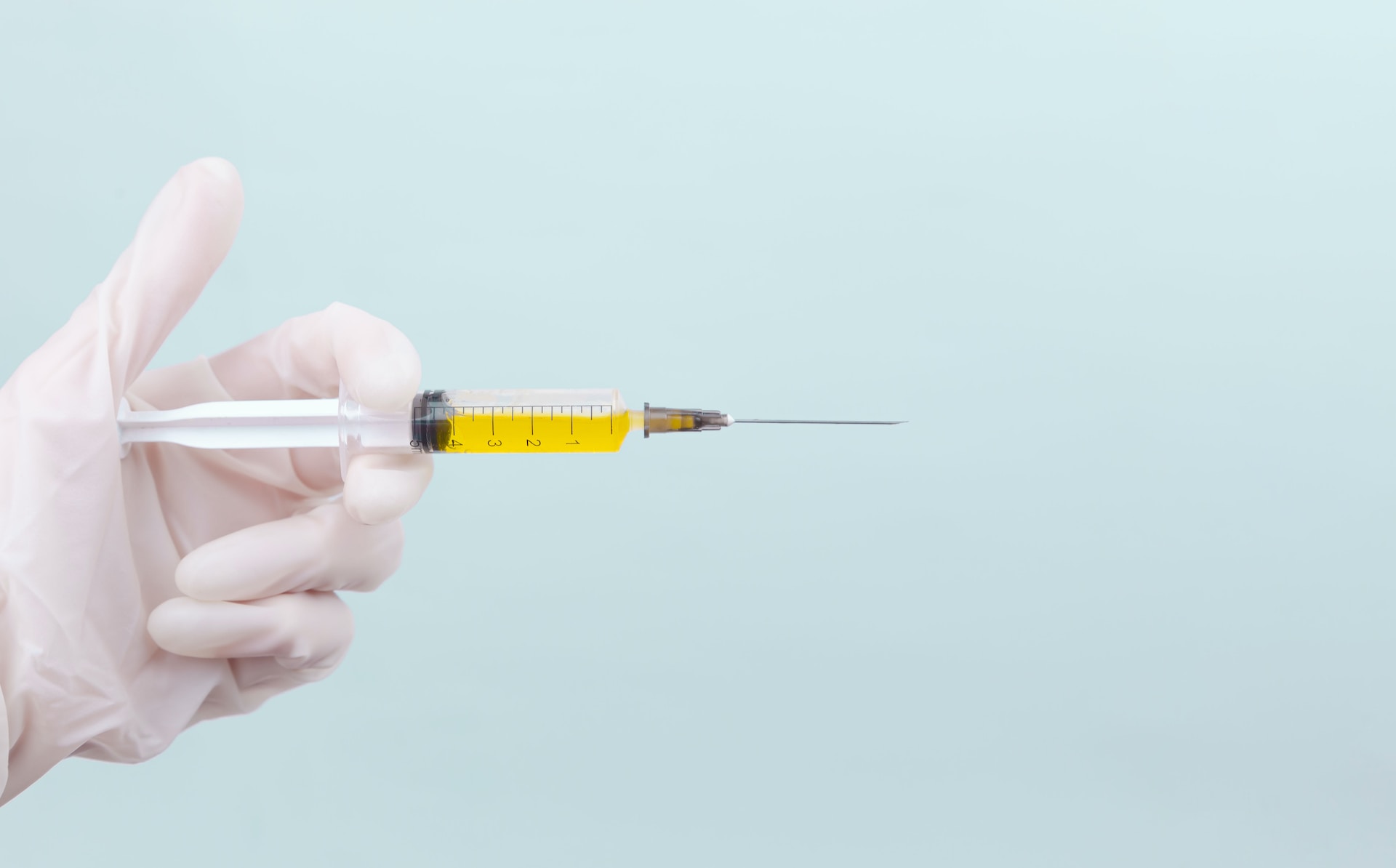


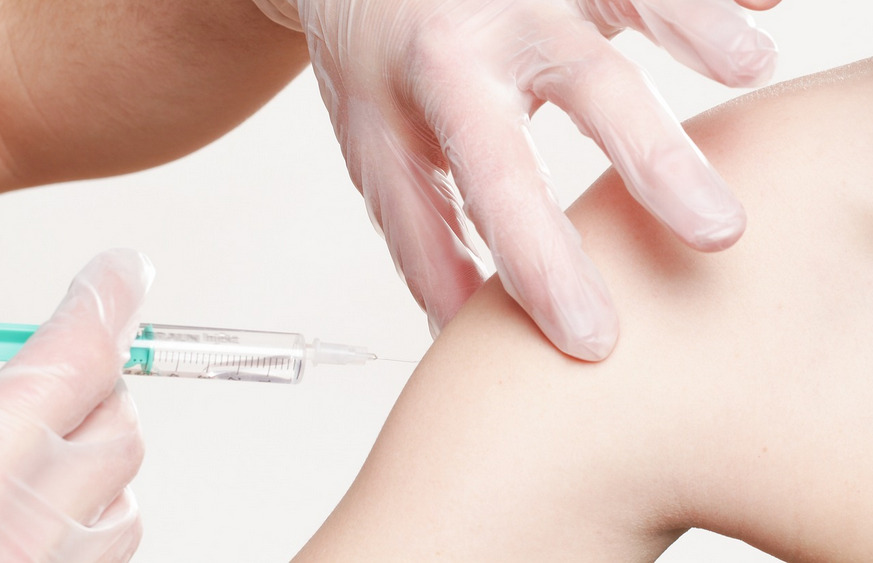
 Surgery is another treatment option for spider veins, though it is typically reserved for more severe cases. During the procedure, a surgeon will make small incisions in the affected area and use special tools to remove or tie off the damaged veins. While surgery can effectively treat spider veins, it comes with some risks. There is always a risk of infection or complications from anesthesia. Additionally, recovery time can vary depending on the extent of the surgery and how well your body responds to healing. It’s important to weigh all of your options before deciding on surgery as a treatment option for spider veins. While it may be necessary in certain cases, less invasive treatments like sclerotherapy or laser therapy should also be considered first.
 Some people believe that if they eat too many calories, they will instantly gain weight. This could not be further from the truth. While eating more than your body needs can lead to weight gain over time, it is not an instant process. The human body is designed to store energy (in the form of fat and glycogen) for times of famine, so it will take a while before any weight gain is seen. In fact, humans also constantly lose and gain small amounts of weight due to various factors such as hydration levels, hormones, and even the time of day.
 Negative calorie foods are those that supposedly take more calories to digest than they provide. This means that eating these foods results in a net loss of calories. Unfortunately, this is not the case. While some fruits and vegetables (celery, for example) have very few calories, they still contain some calories, so they cannot truly be considered harmful calorie foods.
 Certain vitamins are essential for the absorption of nutrients from food. For example, vitamin B12 is necessary to absorb iron from plant-based foods. Without it, we could become anemic, which means not having enough red blood cells.
 The first sign that you may need to visit a chiropractor is a pain in the back, neck, or head. If you are experiencing any of these types of pain, it is best to seek treatment as soon as possible. Chiropractic care can help relieve this pain and improve your quality of life. Most people only require a handful of treatments to see results.
 You should also consider visiting a chiropractor if you have difficulty walking upstairs without a handrail for support. This is often an indication that your spine is misaligned and can be corrected with chiropractic care. It may also signify that you have arthritis in your low back or neck. A chiropractor can help to reduce the inflammation and pain associated with arthritis.

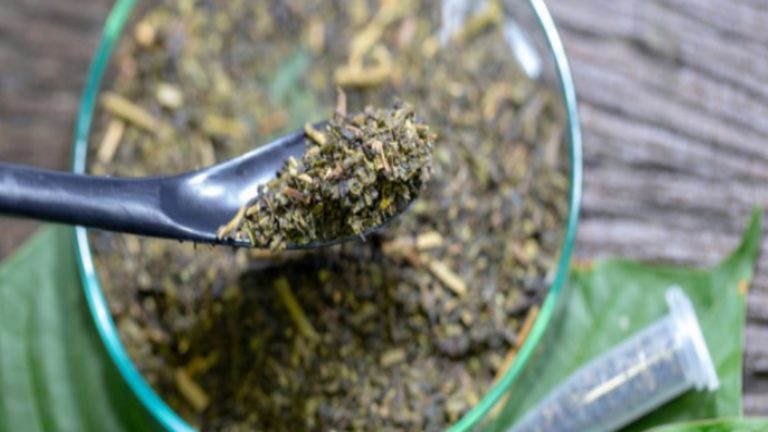
 The truth is that there are different methods of using kratom. The method that works for you may not work for another person. Traditionally, people would chew kratom leaves or put the powder in water. It is quite easier to add the powder in different drinks. You can even make tea with this kratom powder. Some people add it to yogurt or protein shake. Since kratom is considered to be effective on an empty stomach, mixing it with other supplements or foods may not be effective.

 Ensured Fast Delivery of Purchases
 It helps if hospitals and pharmacies can look for a wholesaler at lower prices. This means that they will also be selling the drugs to patients at lower costs. The cost of medicine can also be lowered when pharmacies and hospitals can get discounts when purchasing in bulk. It is also helpful to look for wholesalers that do not charge any shipment cost.

 As one of the leading causes of death, heart diseases should be treated properly. Fortunately, there are ways you can do to prevent the disease naturally. One of them is by consuming hemp seeds. The seeds are rich in amino acid arginine, a chemical substance that is known to make blood vessels dilate and relax. Consuming the seeds regularly can reduce the risks of inflamed blood vessels, leading to decreased risks of heart diseases. Scientific studies show that those who consume the seeds periodically have a higher chance of living healthily without having to worry about cardiovascular diseases, including heart attack.